Manialtepec Lagoon: a guide to Puerto Escondido's mangrove lagoon
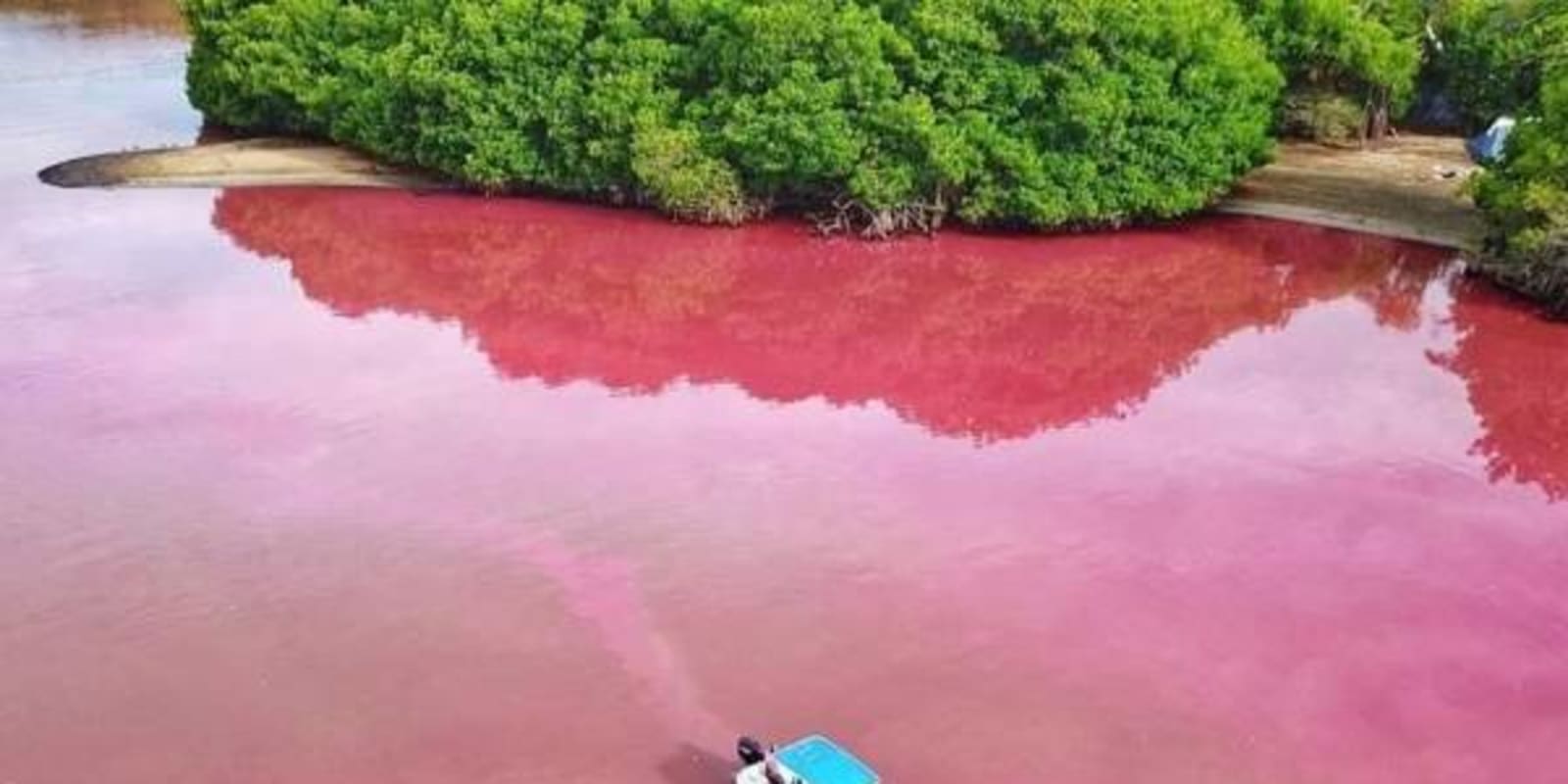
Most people hear about Manialtepec Lagoon because of the glowing water. But the lagoon is more than a night tour: it is a long, quiet body of brackish water lined with mangroves, small fishing communities and a lot of birds, just west of Puerto Escondido. Here is what you should know before you go, whether you visit at sunrise, at night, or both.
Where is Manialtepec Lagoon?
Manialtepec sits on the Oaxacan coast, west of Puerto Escondido along Highway 200, the coastal road that heads toward Acapulco. From most hotels in town it is about a 20-minute drive. The lagoon runs parallel to the Pacific, separated from the ocean by a strip of sand, with green hills rising behind it.
It is a coastal lagoon: freshwater arrives from the Manialtepec River and the hills, and seawater comes in when the sandbar opens to the ocean, which usually happens after heavy rains. That mix of fresh and salt water is what makes the lagoon so productive, for plankton, for fish and for the birds that eat them.
How to get there from Puerto Escondido
- On a tour: the simplest option, especially at night. Our bioluminescence tour picks you up at your hotel or Airbnb at 6:30 PM and has you back by 9:00 PM.
- By car or taxi: follow Highway 200 west out of town. Agree on the fare and the return before you set off if you take a taxi, since finding a ride back after dark is not guaranteed.
- By colectivo: shared vans run along the highway during the day and can drop you near the lagoon. They are cheap but less practical for evening plans.
The mangroves
Mangroves are the heart of Manialtepec. These salt-tolerant trees grow right at the water's edge, with tangled roots that hold the shoreline together, filter the water and shelter young fish, crabs and shrimp. Their fallen leaves break down into nutrients that feed the whole food chain, all the way down to the microscopic plankton that light up at night.
In parts of the lagoon the branches close over the water and form narrow channels. Passing through them by boat, in daylight or in the dark, is one of the nicest parts of any visit. Mangroves are legally protected in Mexico, and good guides steer their boats so they don't damage the roots.
What to see by day
Manialtepec is one of the best-known birding spots on this part of the coast. Early morning, when the water is still and the air is cool, is the best time. Depending on the season, you may see:
- Great egrets, snowy egrets and several species of heron
- Roseate spoonbills and white ibises feeding in the shallows
- Ospreys and other birds of prey fishing over open water
- Kingfishers and cormorants perched on mangrove branches
- Migratory species that spend the northern winter here, roughly from November to March
Small restaurants on the shore serve fresh fish and seafood, which makes a lagoon morning an easy half-day outing. Bring binoculars if you have them, a hat and plenty of water.
The pink water
Some years, especially in the dry season when the sandbar is closed and the water gets saltier, patches of the lagoon turn pink. The color is usually attributed to salt-loving microorganisms that thrive when salinity rises. It does not happen every year and it is not something you can plan around, but if you see it, you are looking at the same lagoon that glows at night, just a different set of tiny residents.
What happens at night
After dark, Manialtepec becomes one of the few places where you can see, and swim in, bioluminescence. Single-celled plankton called dinoflagellates release a flash of light when the water around them moves. In the calm, warm, nutrient-rich water of the lagoon they gather in large numbers, so every paddle stroke, every fish and every hand you drag through the water leaves a trail of blue light.
The glow is visible most of the year. It is strongest on the darkest nights around the new moon and often at its brightest during the rainy season, roughly June to October. A full moon makes it fainter, though usually still visible. If you are choosing dates, our guide to the best time to see bioluminescence in Puerto Escondido goes into the details.
Day or night: which should you choose?
If you only have time for one visit, think about what you came for. The morning is about birds, mangroves and the landscape: calm, green and good for photos. The night is about the glow, which you simply cannot see in daylight. Many visitors do both on different days, because the lagoon feels like two different places.
A practical note: the night tour starts after sunset, so you will not see much of the mangroves on it. If you want sunset on the water first, the private tour picks you up at 5:30 PM and includes it.
How to visit responsibly
The lagoon is a working ecosystem and a source of income for the families who live around it. A few habits help keep it that way:
- No sunscreen, lotion or repellent before a night swim. These products harm the plankton. Put repellent on after you get out.
- Go with local guides and boat operators, who know the lagoon and keep engines off or low in the glowing areas.
- Do not pull at mangrove roots or branches, and keep your hands to yourself if the boat passes close to them.
- Take your trash back with you. Plastic that ends up in the lagoon stays there.
- Keep your distance from wildlife and avoid loud noise near nesting or roosting birds.
What to bring
For a morning visit: a hat, water, binoculars and something light with long sleeves for the sun. For the night tour: a swimsuit and towel, a dry change of clothes for the ride home, sandals or water shoes, bottled water and insect repellent to use after swimming. Life jackets are provided on the tour.
Quick answers
Is Manialtepec Lagoon worth visiting?
Yes, if you like nature. It is close to town, easy to reach and very different from the beaches. The bioluminescence alone is reason enough for most travelers.
Can you swim in Manialtepec Lagoon?
Yes, swim time is part of our night tour, with life jackets for everyone and your guide nearby. The water is warm and calm.
How far is it from Puerto Escondido?
About 20 minutes by car from most of town, heading west on the coastal highway.
Curious about the light itself? Read what makes Manialtepec Lagoon glow for the science behind it, explained without the jargon.